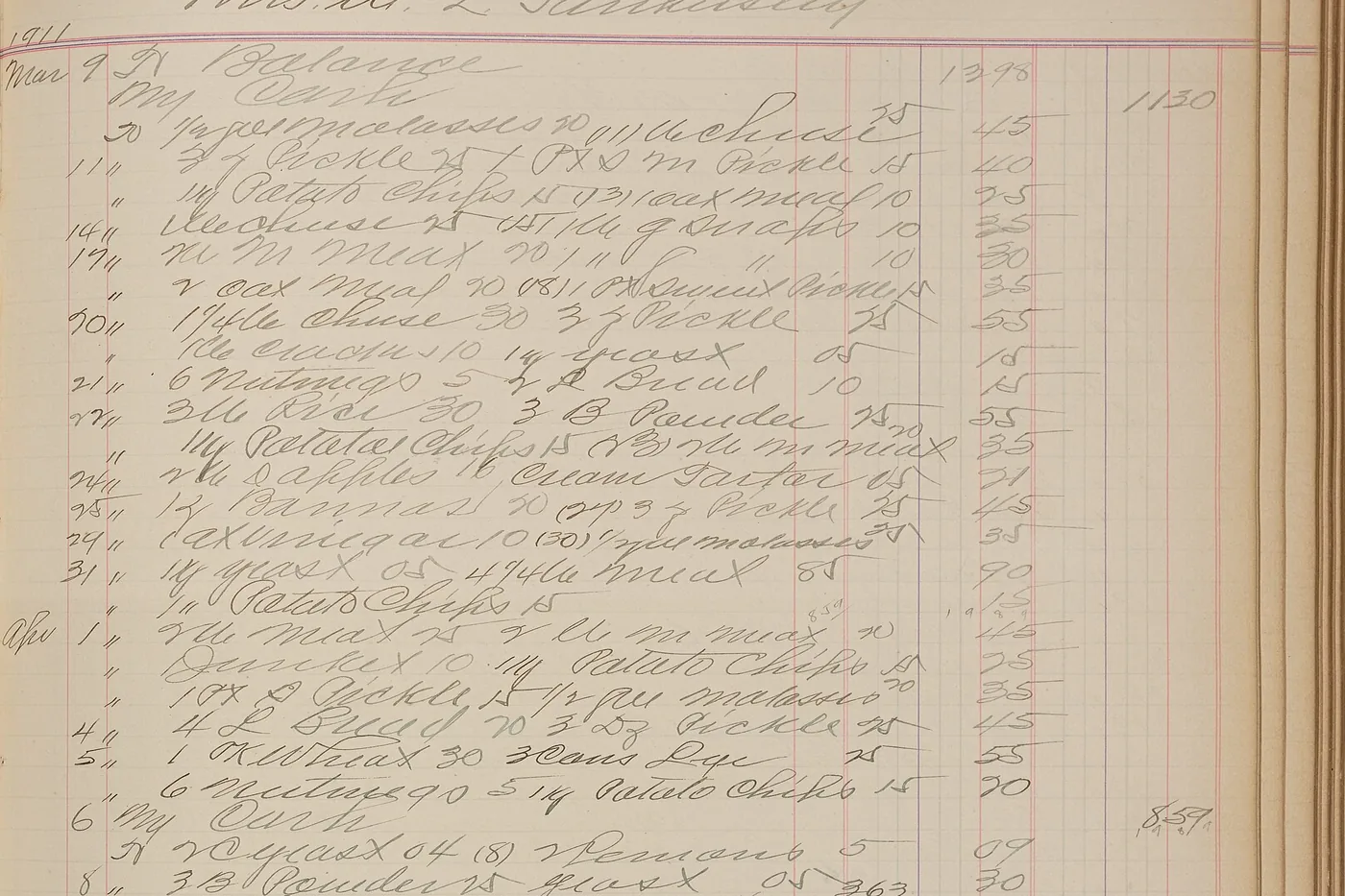
Profit Loss SpreadsheetThe bank match before profit
Steven Palmieri is a Tax CFO, the Entrepreneur's CFO.
The books stay here, a payday account is connected for you to run, and the return waits until those months already agree with the bank.
Name the columns you have
You will be talking to the Steven Palmieri practice.
The Tax CFO way with a spreadsheet
A spreadsheet tells you what the rows add up to. The Tax CFO tells you whether the rows are true, and then what to do about the month they describe. The estimate, owner pay, and the plan come after a match. One count says what happened. The next decision says what happens next.
Six places a file goes quiet
Six column names
Date, the bank's own words, a signed amount, the account, the month, and whether it cleared.
Click to see the six names ›Tap to see the six names ›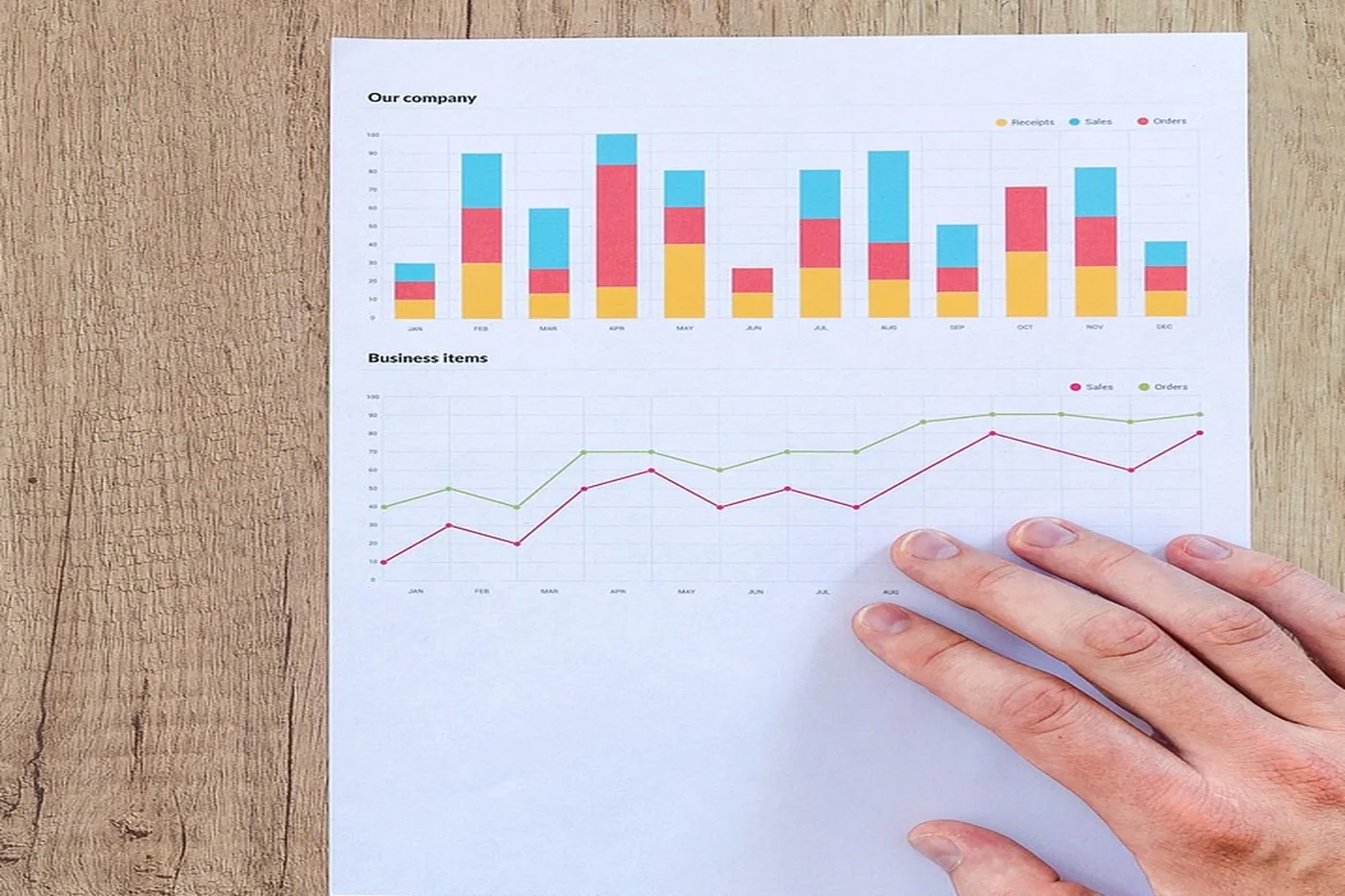
Same names in Sheets
The app can change. The columns that match a statement do not.
Click to see the sheet ›Tap to see the sheet ›Profit after the match
Classified rows can add up only after the statement already agrees.
Click to see the rollup ›Tap to see the rollup ›What a free file skips
A template is good at a shape. It often has no place for cleared.
Click to see the skip ›Tap to see the skip ›Three headings
Income, expenses, and profit can look finished and still miss the bank.
Click to see the sketch ›Tap to see the sketch ›The file you have
A fresh blank does not explain the rows already in the workbook.
Click to see which file ›Tap to see which file ›The cash-register photograph is by Geraldshields11, CC BY-SA 4.0, on Wikimedia Commons. We cropped it.

Six ways a file looks finished
Open a row. Each one names a mix-up we see in a file, and the column that would have caught it.
1Only three headings
We add the columns the statement needs
Income, expenses, and profit can sketch a month. They cannot show which lines cleared, so the profit cell is still a guess.
2A deposit that is not sales
We park it outside the rollup
A customer payment for work you have not finished yet raises the bank balance. It is not profit until the work is done.
3Cash moved to you
We keep a column for draws
Money you move to a personal account changes cash. It is not a cost of the shop, and it does not belong in the profit cell.
4A loan in the deposits
We keep a column for loan money
Loan proceeds and loan principal change cash. Treating them as sales, or as an expense, makes the year look nothing like the return.
5No cleared column
We add a yes or no before the rollup
A line that has not cleared cannot help the statement match. The profit cell waits until the cleared lines equal the ending balance.
6A tab that will not match
We leave that month out of the year
Twelve tabs can share one file. A tab that fails the statement stays out of the sum. Adding it in hides the break.
The part people open next
The equality the statement asks for
Prior statement balance, plus the lines that cleared for that account, equals the current ending balance. When the equality fails, stop and find the line. Decorating the profit cell first is how a file looks done while the bank still disagrees.
That pause is the relief. A profit cell that looks finished is a comforting object. Asking it to survive a statement is the better ask. We would rather spend the hour on the line that broke the match than on a formula that hides it.
Draws, loans, and transfers
Owner draws, loan proceeds, loan principal, and transfers between the company's own accounts keep columns of their own. They change cash. They stay out of profit, which is income, cost, and expense only.
A loan deposit feels like a good week at the shop. The register was ordinary and the bank was suddenly full. If that deposit is coded as sales, the year smiles and the return later does not. The same thing happens when cash moved to you is coded as a cost. The shop did not spend it. You took it.
Twelve months, and the one that fails
Twelve months can share one file. Each month matches on its own. The year is the sum of months that already matched. A tab that fails stays out of that sum.
People feel this in January, when a year of tabs is about to become a return, and one month still has a gap. Leaving that month out is uncomfortable. Adding it in is worse, because the gap then hides inside a total nobody can point at.
The file you already have
The file you already have is the one to reconcile. A fresh blank does not explain the old rows. The scope here is that match, not a priced cleanup sold as a new workbook.
Paper is a picture until the file exists. A printed page can be looked at. It cannot match a statement, because a picture has no cleared column. We build the file from the statement. We do not teach a paper-reading class.
A receipt, a payday notice, a federal date
A receipt on the counter and a deposit on the statement are not the same event. The receipt says a sale happened. The deposit says cash arrived, and it might have arrived for a different reason. The cleared column is where those two stories meet.
A payday notice looks the same in every state. It names a provider, a deposit date, and a wage total. Opening that account is our part. Every wage run after that stays on your side of the counter. The wage total later has to agree with the file. If it does not, the return is guessing.
A federal estimate voucher gets written in April, again in June, again in September, and again in January, and any of those four is a guess while the spreadsheet's cleared column is still blank. A voucher taken from a file the statement will not support is how April becomes a surprise. A letter from the IRS about an underpayment is a miserable way to learn the profit cell was early. We would rather the months match before the voucher is due.
Tell us which month is open
You will be talking to the Steven Palmieri practice.